
Key Takeaways
-
Protein is crucial for muscle repair post-CrossFit, with whey and plant-based options being top picks.
-
Omega-3 fatty acids, particularly from fish oil, can significantly reduce inflammation and support joint health.
-
Essential vitamins and minerals like Vitamin D, Calcium, Magnesium, and Zinc play vital roles in recovery and overall health.
-
Plant-based supplements like curcumin and flavonoids offer natural anti-inflammatory benefits.
-
Timing your supplements can optimize recovery benefits, and personalization is key for the best results.
Essential Recovery Aids for CrossFit Enthusiasts
When you’re pushing your limits with CrossFit, your body needs the right support to recover and come back stronger. That’s where recovery supplements step in. They’re not just about getting back to the box quicker; they’re about ensuring your body can handle the stress and strain you’re putting it through. Let’s dive into the essentials that will keep you at the top of your game.
Why Inflammation Management is Key for Recovery
First things first, managing inflammation is non-negotiable. After a high-intensity workout like CrossFit, your muscles are inflamed – it’s their way of saying “we’ve worked hard!” But too much inflammation can lead to soreness and delay your recovery. So, tackling it head-on is a must, and the right supplements can be game-changers.
Supplements Overview: What to Expect
Before we get into specifics, know that the market is flooded with options. But not all supplements are created equal. We’re focusing on those that have proven benefits, backed by science, and are especially beneficial for women who are serious about their CrossFit journey.
Power Up with Protein
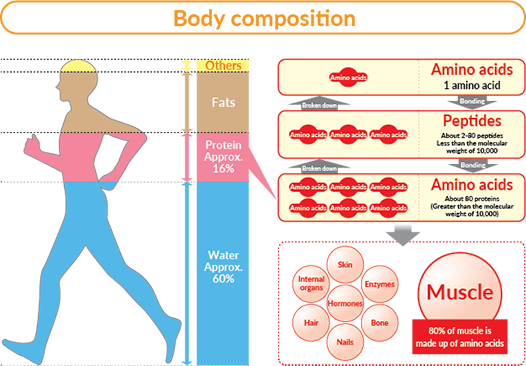
“Proteins: building blocks of the body …” from www.otsuka.co.jp and used with no modifications.
Protein is the building block of muscle repair. After you’ve done those deadlifts and burpees, your muscles are crying out for it. This is because protein helps to repair the micro-tears in muscle fibers caused by intense exercise.
Role of Protein in Muscle Repair
Why protein? Well, it contains amino acids, the essential components your body uses to build and repair muscle tissue. Without enough protein, your recovery will be slower, and you might not see the gains you’re working so hard for.
How to Choose the Best Protein Supplements

“File:Protein powder supplements at FIBO …” from commons.wikimedia.org and used with no modifications.
Choosing the right protein supplement can feel like finding a needle in a haystack. Here’s what to look for:
-
Quality: Opt for a supplement with a high biological value, which means your body can use most of the protein it contains.
-
Type: Whey protein is popular, but if you’re vegan or lactose intolerant, there are great plant-based options like pea or hemp protein.
-
Additives: Keep an eye out for unnecessary fillers or sweeteners that don’t benefit your body.
And remember, while supplements are helpful, they’re not a replacement for a balanced diet. Make sure you’re also getting protein from whole food sources like chicken, fish, beans, and nuts.
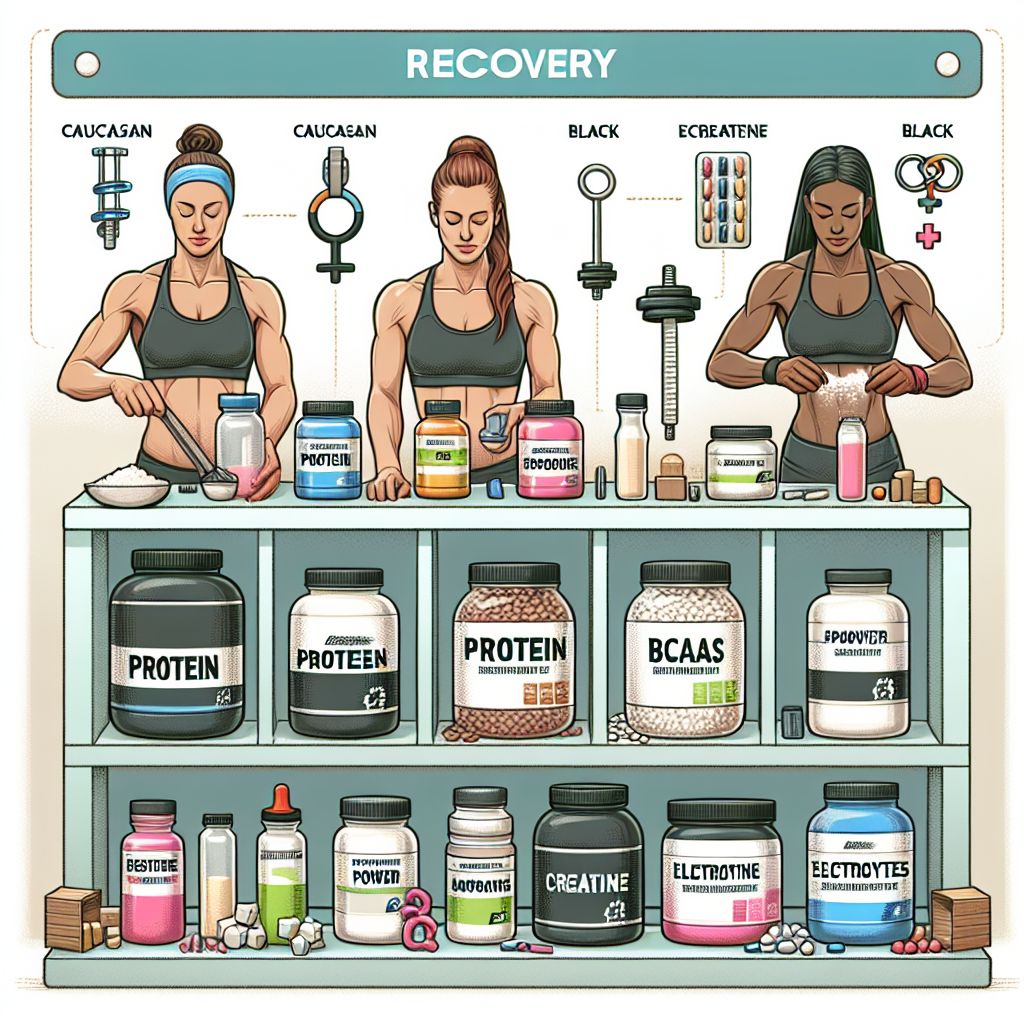
For women who are serious about their CrossFit training, recovery is just as important as the workouts themselves. Incorporating the best CrossFit recovery supplements into your regimen can help reduce inflammation and muscle soreness, making it easier to stick to your training schedule and achieve your fitness goals.
-
Omega-3s can reduce inflammation and support recovery after intense CrossFit sessions.
-
Vitamin D and Calcium are crucial for bone health and muscle function.
-
Magnesium plays a pivotal role in muscle relaxation and energy production.
-
Zinc boosts the immune system and aids in muscle repair and growth.
-
Plant-based anti-inflammatories like curcumin and quercetin offer natural recovery support.
-
Timing your intake of supplements can maximize their effectiveness in recovery.
-
Listening to your body’s cues is essential for adjusting your supplement strategy to meet your needs.
Let’s talk about Omega-3 fatty acids. These are the superheroes of the supplement world when it comes to fighting inflammation. Especially after a grueling CrossFit workout, Omega-3s, found in fish oil, can help soothe your aching muscles and joints, getting you ready for your next session.
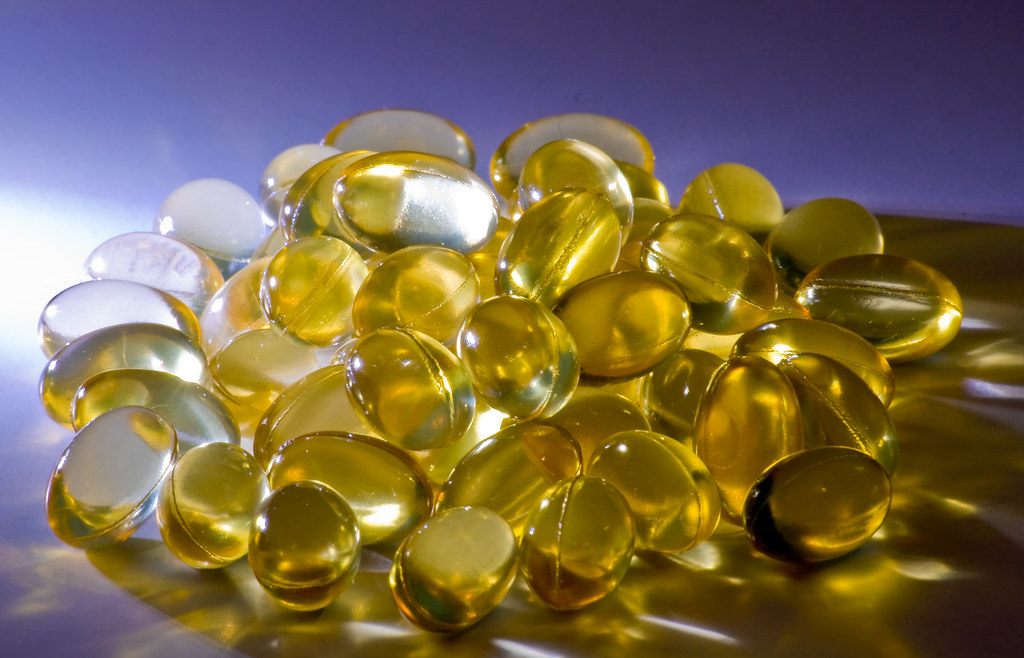
“Pills oil omega fish oil capsule …” from www.flickr.com and used with no modifications.
But it’s not just about muscle soreness. Omega-3s also play a vital role in overall health, from heart health to cognitive function. They’re particularly important for women, as they can also help with hormonal balance and skin health – both of which can be affected by intense physical exercise.
Choosing a fish oil supplement? Make sure it’s high quality, with high levels of EPA and DHA, and that it’s been tested for purity to avoid contaminants like mercury. If you’re vegetarian or vegan, you can opt for algae-based Omega-3 supplements, which are an excellent plant-based alternative.
Inflammation Reduction and Joint Health
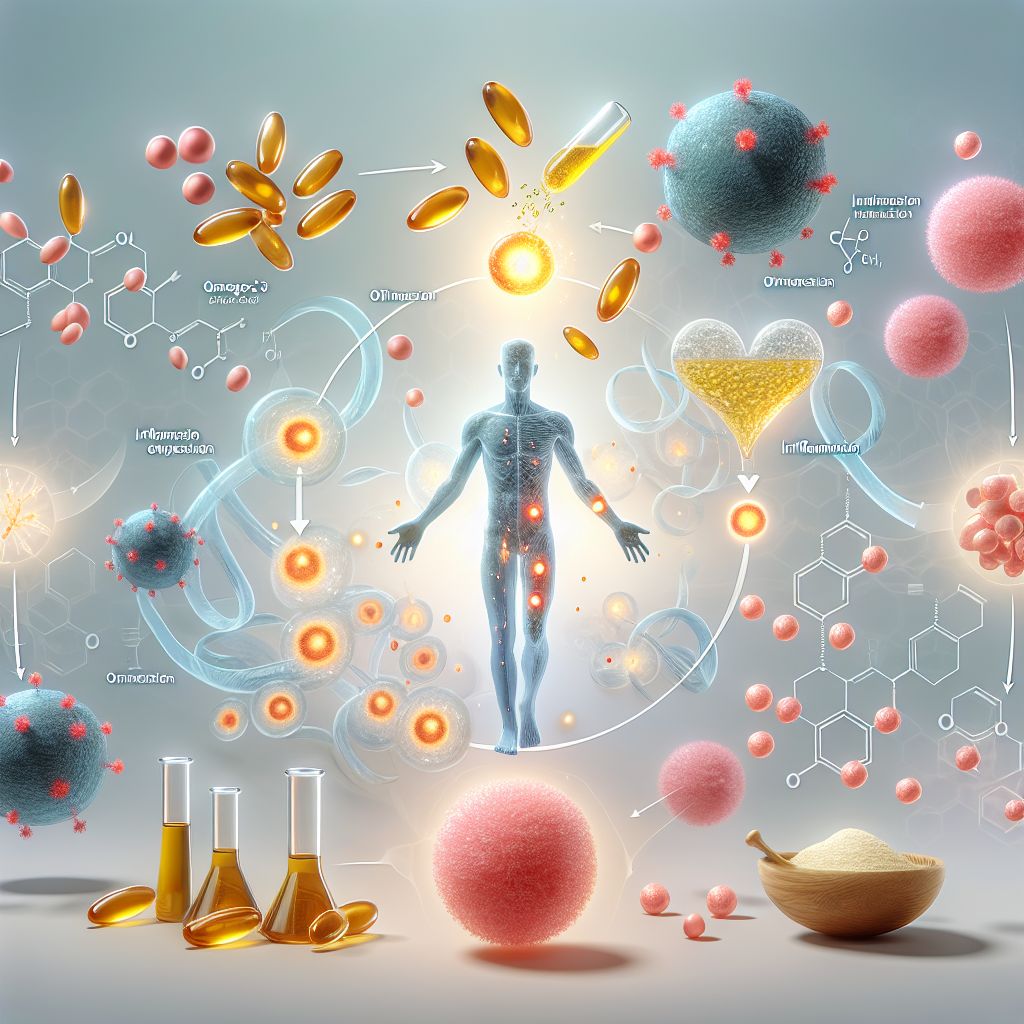
Omega-3s work by reducing the production of substances linked to inflammation. For CrossFit athletes, this means less swelling and pain after workouts, which is essential for quick recovery and improved performance. Plus, these fatty acids help maintain the lubrication of your joints, keeping them healthy and agile.
Determining the Right Dosage
The right dosage of Omega-3s can vary from person to person. A general recommendation is 1-3 grams per day, but it’s always best to consult with a healthcare provider to tailor the dosage to your individual needs and fitness goals.
When Vitamins and Minerals Step In
Vitamins and minerals might not be the first thing that comes to mind when you think about workout recovery, but they should be. They’re the unsung heroes that support your body’s natural recovery processes. Vitamin D, Calcium, Magnesium, and Zinc are particularly important for women who engage in CrossFit.
The Power Duo: Vitamin D and Calcium
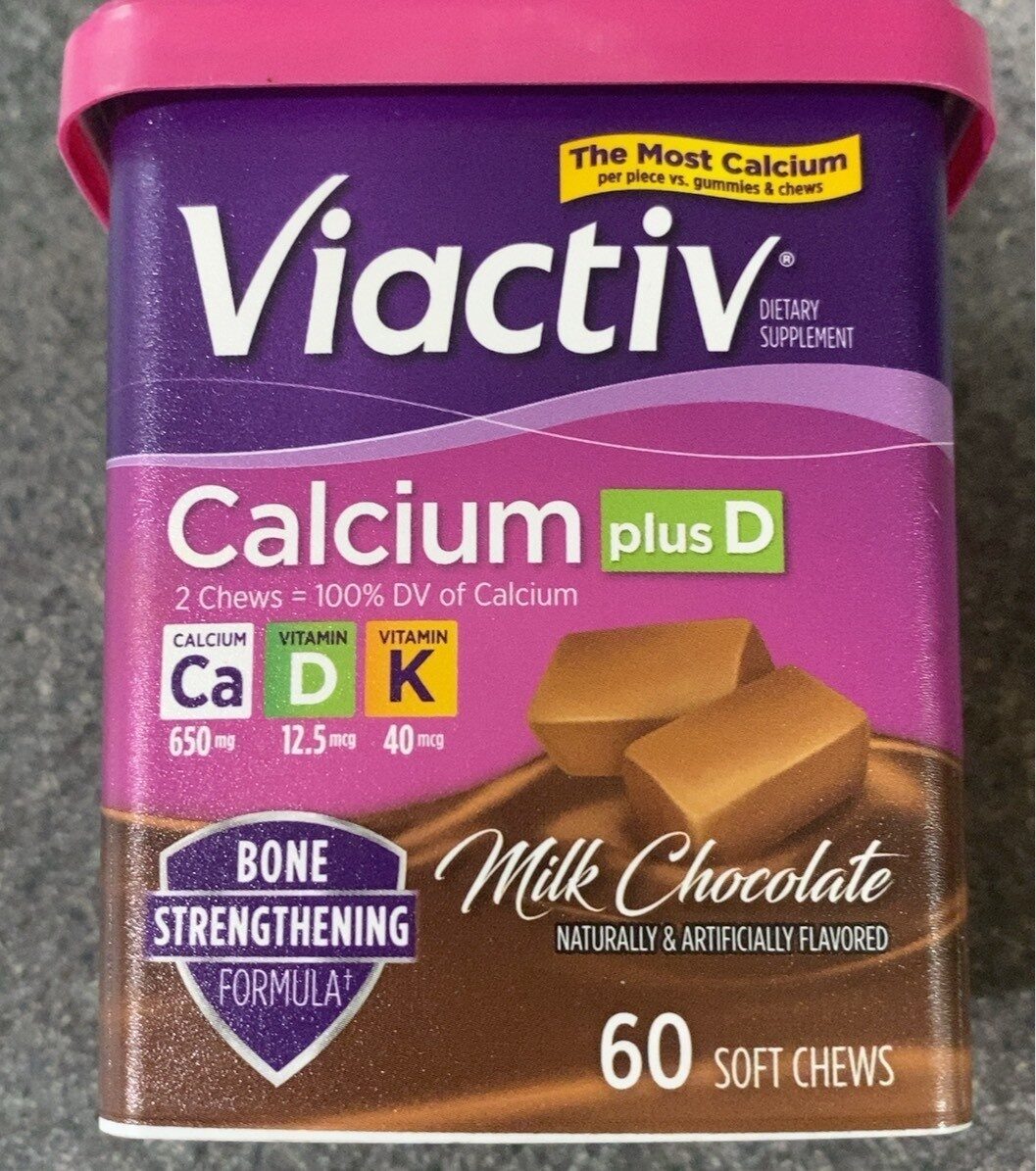
“Calcium plus D -” from world.openproductsfacts.org and used with no modifications.
Vitamin D and Calcium are like Batman and Robin for your bones. They work together to keep your skeletal system strong, which is crucial when you’re lifting weights or doing high-impact exercises. Vitamin D helps your body absorb Calcium, so make sure you’re getting enough of both to prevent stress fractures and support muscle function.
What Magnesium Can Do for You
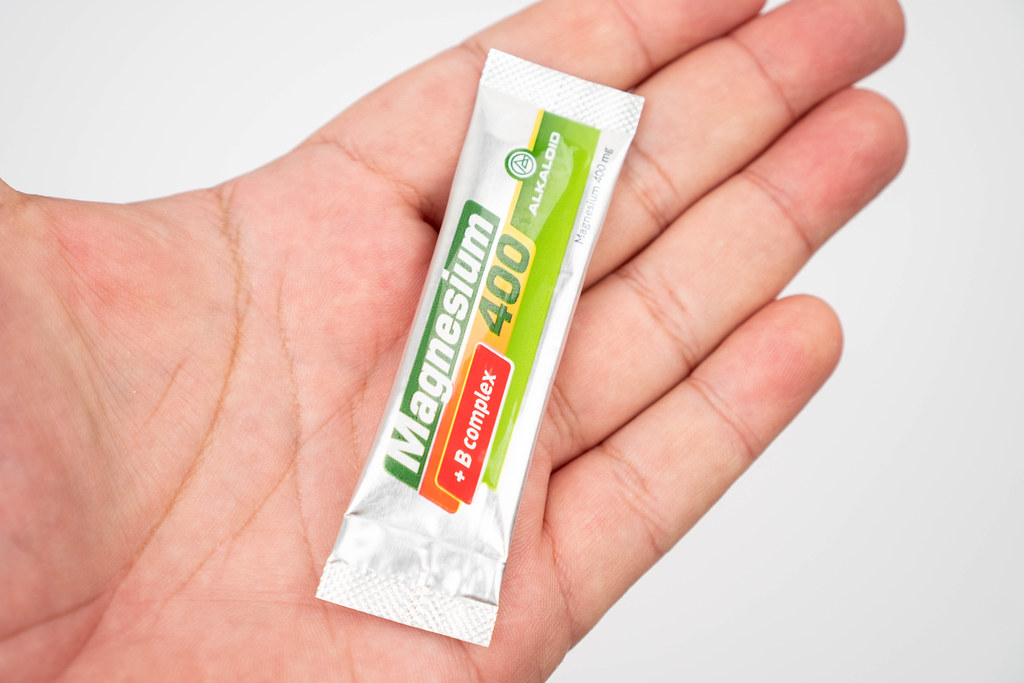
“Package of Magnesium powder on the hand …” from www.flickr.com and used with no modifications.
Magnesium is a powerhouse when it comes to recovery. It helps with muscle relaxation, which can prevent cramps and spasms after intense workouts. It also plays a role in energy production, so you’ll have the stamina to power through your WODs (Workout of the Day).
Another cool thing about Magnesium? It can help with sleep quality. And good sleep is crucial for recovery – it’s when your body does most of its healing. So, if you’re struggling to catch those Z’s, Magnesium might just be what you need.
Zinc: The Immune System Booster
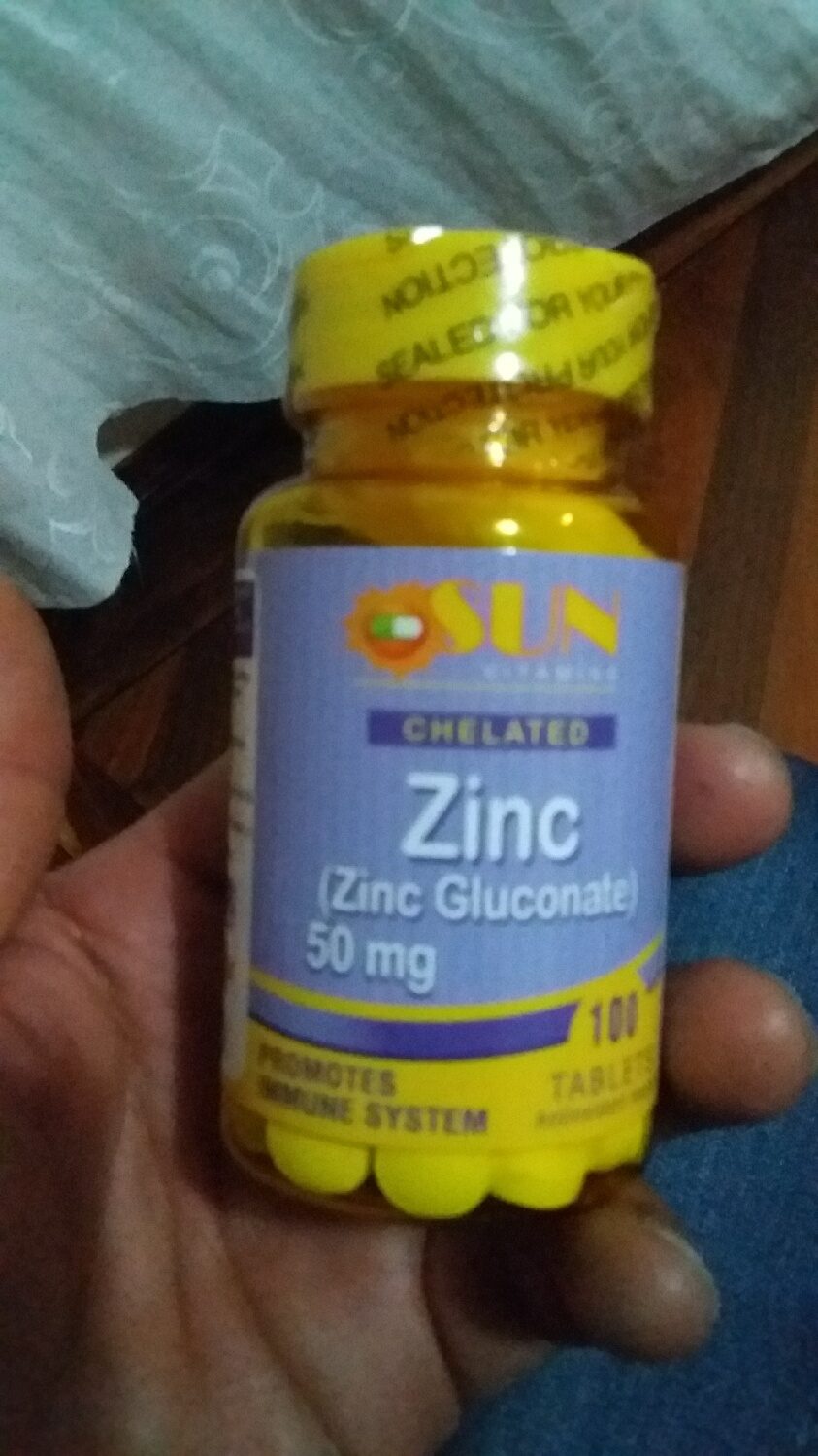
“zinc – sun – 50mg” from world.openproductsfacts.org and used with no modifications.
Then there’s Zinc, a trace mineral that’s all about repair and growth. It helps your immune system fight off bacteria and viruses, which is super important when you’re putting your body under stress regularly. Plus, it’s involved in protein synthesis and muscle repair – exactly what you need after a CrossFit challenge.
Opt for Plant-Based Power
Don’t underestimate the power of plants in your recovery arsenal. Certain herbs and spices are packed with natural compounds that can help reduce inflammation and speed up recovery.
-
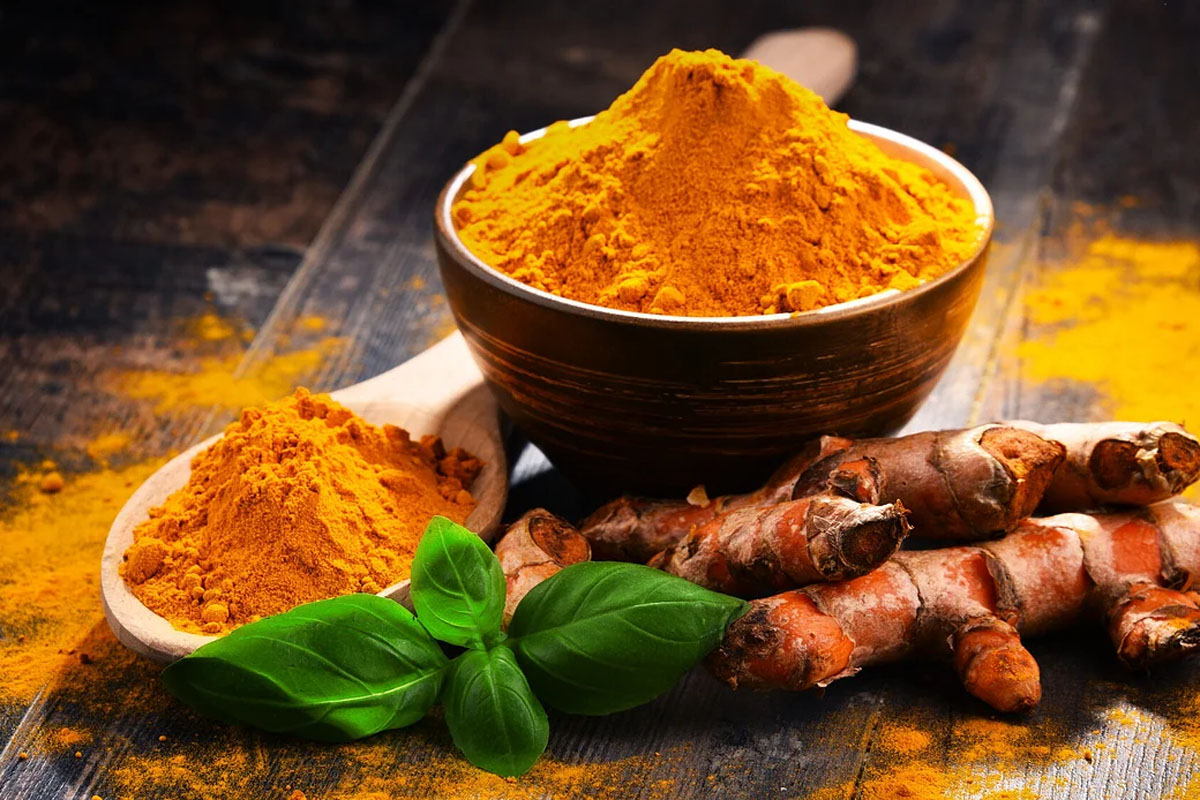
Curcumin, the active compound in turmeric, is a potent anti-inflammatory.
-
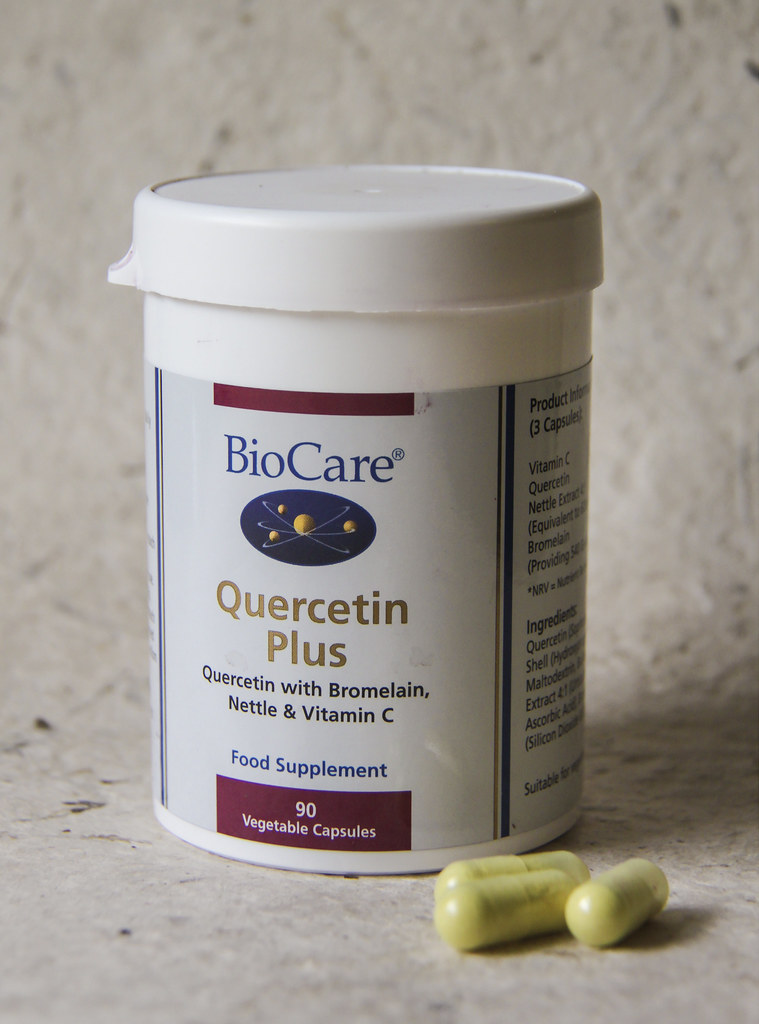
Quercetin, found in onions and apples, can also reduce inflammation and help with allergy symptoms.
Adding these to your diet is great, but for a more concentrated effect, you might consider supplements that fight inflammation. Just make sure they’re high-quality and, if possible, include piperine (from black pepper), which can improve absorption.
Curcumin: More Than Just a Spice
“Health benefits of curcumin, the …” from www.thestatesman.com and used with no modifications.
Curcumin is like the Swiss Army knife of the plant world. It’s not only good for adding flavor to your food but also for keeping inflammation at bay. It’s been shown to be so effective that it can sometimes be compared to anti-inflammatory drugs, without the side effects.
Flavonoids in Action: Quercetin and Its Benefits
“Hay fever treatment | Suppliment …” from www.flickr.com and used with no modifications.
Quercetin is another plant-based powerhouse. It’s known for its antioxidant properties, which can help fight off the free radicals produced during intense exercise. This can lead to reduced muscle damage and better endurance. Plus, it’s good for your heart and can help reduce blood pressure.
Strategically Time Your Supplements
Now, let’s talk timing. When you take your supplements can be just as important as what you’re taking. To get the most out of them, you need to know when to take them in relation to your workouts.
Before, During, or After: Supplement Timing for Optimal Results
Here’s a quick guide to help you out:
-
Before your workout: Amino acids or a pre-workout supplement can give you an energy boost.
-
During your workout: BCAAs (Branched-Chain Amino Acids) can help prevent muscle breakdown.
-
After your workout: This is prime time for protein and Omega-3s to aid in muscle repair and reduce inflammation.
Remember, this is a general guide. Your body’s needs may differ, so it’s important to listen to it and adjust accordingly.
Listening to Your Body: How to Tell What You Need
Most importantly, understanding your body’s signals is crucial. Soreness, fatigue, and even changes in mood can be indicators of what your body lacks. For instance, persistent muscle soreness might suggest the need for more protein or Omega-3s to aid in repair and reduce inflammation. On the other hand, if you’re feeling unusually tired, you might be lacking in essential vitamins and minerals that fuel energy production.
Building a Recovery Supplement Plan
Building a recovery supplement plan is like creating a tailored workout routine – it should be specific to your needs. Start by assessing your diet, workout intensity, and recovery times. Then, consider which supplements can fill the gaps. For example, if you’re vegan, you might need a plant-based protein and an algae-based Omega-3 supplement to ensure you’re getting all the essential amino acids and fatty acids.
Personalizing Your Supplementation Strategy
Personalizing your supplementation strategy means looking at your individual health needs, fitness goals, and dietary preferences. If you’re aiming for muscle growth, your focus might be on protein and creatine. If endurance is your goal, then iron and BCAAs might be more beneficial. And for those who are looking to improve recovery time, a combination of Omega-3s, antioxidants, and anti-inflammatory supplements would be ideal.
How to Combine Supplements Safely
When combining supplements, safety should be your top priority. Always read labels and follow recommended dosages. Be wary of potential interactions; for instance, high doses of calcium can interfere with the absorption of other minerals like iron and magnesium. It’s also wise to talk to a healthcare professional before starting any new supplement regimen, especially if you have pre-existing health conditions or are taking medications.
Another point to consider is the form of the supplement. Powders, pills, liquids, and gummies all have different absorption rates and convenience factors. Choose the form that fits best with your lifestyle and that you’ll be consistent with. Consistency is key to seeing results.
Lastly, be patient. Supplements can support recovery, but they’re not magic. They work best when combined with a balanced diet, proper hydration, adequate sleep, and a well-structured workout plan.
FAQ
What Makes a Supplement “Female-Friendly”?
A supplement is “female-friendly” if it considers women’s unique nutritional needs and hormonal balances. For example, women generally require more iron due to menstruation, and they may benefit from specific supplements that support bone health, like calcium and vitamin D, due to a higher risk of osteoporosis.
Can Men Use These Recovery Supplements, Too?
Absolutely. While this guide focuses on women, the supplements discussed are beneficial for anyone engaging in intense physical activity. Men can also experience enhanced recovery and performance from using protein, Omega-3s, and vitamins and minerals.
However, men’s and women’s bodies do have different needs, so dosage and specific supplement types might vary. It’s always best to personalize your supplement intake based on individual health goals and nutritional requirements.
Are There Any Side Effects to These Supplements?
Most supplements discussed are generally safe when used as directed. However, side effects can occur, especially if taken in excess or if there’s an underlying health condition. Some common side effects could include gastrointestinal discomfort, allergic reactions, or interactions with medications. Always start with the lowest recommended dose and pay attention to how your body responds.
If you do experience side effects, it’s important to stop taking the supplement and consult with a healthcare professional. They can help determine if the supplement is the cause and advise on any adjustments needed.
How Often Should I Take Supplements for Recovery?
The frequency of supplement intake should align with the supplement’s purpose and your body’s needs. For example, protein and BCAAs are often taken post-workout to aid in immediate muscle recovery, while vitamins and minerals might be taken daily to support overall health. Always follow the recommended dosages on the supplement packaging or consult with a healthcare professional for personalized advice.
Can Supplements Replace a Balanced Diet in Recovery?
No, supplements should not replace a balanced diet. They are designed to complement your nutrition and help fill any gaps. A diet rich in whole foods provides a wide range of nutrients that supplements alone cannot offer. Besides that, whole foods provide dietary fiber, antioxidants, and other health-promoting compounds that are essential for overall well-being and recovery. For more detailed guidance, explore our female CrossFit diet plans to understand how to combine diet and supplements effectively.