
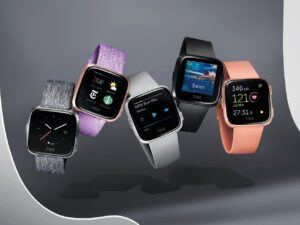
“Fitbit Versa Review: Fit and Finish | WIRED” from www.wired.com and used with no modifications.
When we talk about peak performance in sports, we often focus on rigorous training and strict nutrition. But there’s a third pillar that’s just as crucial but frequently overlooked: sleep. For CrossFit athletes, especially those navigating the complexities of menopause, quality sleep can make or break performance. That’s where the Fitbit Versa steps in, not just as a fitness tracker but as a powerful tool for sleep improvement.
Key Takeaways
Menopause can significantly disrupt sleep, impacting an athlete’s recovery and performance.
The Fitbit Versa offers advanced sleep tracking features to help monitor and improve sleep quality.
Understanding and interpreting sleep data can empower menopausal athletes to make informed adjustments to their routines.
Customizing Fitbit settings and utilizing sleep scores can optimize recovery and enhance overall well-being.
Improved sleep quality, facilitated by the Fitbit Versa, can lead to better CrossFit performance.
Sleep Tight: Navigating Nightly Rest During Menopause with Fitbit Versa
Let’s dive into how the Fitbit Versa can become a game-changer for athletes during menopause. It’s not just about tracking how long you sleep but understanding the quality of that sleep and how it connects to your daily performance.
The Menopause-Sleep Connection
Menopause is a natural part of aging, but it comes with its own set of challenges, especially when it comes to sleep. Hot flashes, night sweats, and hormonal changes can all lead to a restless night. And when you’re training hard in the gym, the last thing you need is poor sleep hindering your recovery.
That’s why it’s essential to have a solid grasp of how menopause can affect your sleep. With the right tools and knowledge, you can take proactive steps to minimize its impact. Consider the Fitbit Versa your ally in this fight for better rest.
How Fitbit Versa Tracks Sleep
The Fitbit Versa is equipped with sensors and algorithms designed to monitor your sleep stages throughout the night. By wearing the Versa to bed, you’ll get a detailed breakdown of your light, deep, and REM sleep cycles. This is crucial because each stage plays a role in recovery—deep sleep helps repair your muscles, while REM sleep is essential for cognitive functions.
Most importantly, the Versa gives you a sleep score. This number reflects the quality and quantity of your sleep, giving you a clear picture of how well you’re resting. But it’s not just about numbers; it’s about understanding what they mean and how to improve them.
Tackling Sleep Disturbances in Menopause

Before we can fix a problem, we need to understand it. Menopause can introduce a variety of sleep disturbances that can be quite confusing. But, with the Versa on your wrist, you’re better equipped to identify what’s keeping you up at night.
Common Sleep Issues Faced by Menopausal Athletes
Menopausal athletes often deal with sleep disruptions that can include:
Difficulty falling asleep due to increased anxiety or hot flashes.
Waking up frequently throughout the night, which can prevent deep sleep cycles.
Waking up too early and not being able to fall back asleep, cutting short the total sleep time.
Recognizing these patterns is the first step towards managing them. And with the Versa, tracking these disturbances becomes more straightforward. For those in their 40s, understanding the impact of CrossFit on hormone balance can also provide insights into sleep patterns.
Maximizing Sleep Quality with Smart Tech
Here’s how to leverage the Fitbit Versa to tackle these sleep disturbances:
Track your sleep consistently to identify patterns or triggers that may be causing disruptions.
Use the Versa’s sleep insights to experiment with different strategies, like adjusting your room temperature or establishing a pre-sleep routine.
Set a silent, vibrating alarm on your Versa to wake you up gently, making mornings less jarring.
Remember, the goal is to not only track but also to act on the insights provided. By doing so, you’ll be taking control of your sleep and, by extension, your athletic performance.
Syncing CrossFit Activity and Sleep Patterns
For CrossFit enthusiasts, every WOD (Workout of the Day) is a new challenge. But, intense workouts demand quality rest. That’s where syncing your activity with your sleep patterns becomes pivotal. Your Fitbit Versa can track the intensity of your workouts and the restfulness of your sleep, helping you to find the perfect balance.
By analyzing the data, you might notice that on days when you hit personal records, your sleep quality dips. Or perhaps, you’ll see that after a week of high-intensity training, your sleep patterns are disrupted. It’s this kind of insight that allows you to tailor your CrossFit schedule for optimal rest and recovery.
Therefore, it’s crucial to look at your Fitbit Versa data holistically. If your sleep score is consistently low, consider scaling back on the intensity or frequency of your workouts. Conversely, if you’re sleeping soundly despite a rigorous training regime, it’s a good sign that your body is coping well.
Interpreting Fitbit Data to Enhance CrossFit Performance
Interpreting the data from your Fitbit Versa can give you an edge in your CrossFit training. It’s not just about the number of hours you sleep, but the quality of those hours. Deep sleep, for instance, is when your body repairs itself. If your Versa shows you’re not getting enough, it might be time to rethink your recovery strategy.
Are you hydrating enough? Are your post-workout meals aiding your recovery? These are questions that the Versa can help you answer. When you start to see improvements in your sleep data, you’ll likely notice a corresponding enhancement in your athletic performance.
Remember, data is just numbers until you apply it. Use your Fitbit Versa to guide your decisions, and you’ll be on your way to becoming a more resilient athlete.
Optimizing Fitbit Versa for Your Sleep Health
The Fitbit Versa is not just about tracking; it’s about optimizing. To get the most out of your device for sleep health, it’s essential to understand and utilize its features fully.
Begin by ensuring your sleep goals are set up in the Fitbit app. These goals aren’t just targets; they’re a commitment to your body’s need for rest. And don’t forget to enable sleep reminders. A gentle nudge towards bedtime can be the difference between a good and a great sleep score.
Customizing Sleep Settings on Fitbit Versa
Customization is key when it comes to the Fitbit Versa. Here’s how you can tailor the settings to suit your sleep needs:
Adjust your bedtime and wake-up times in the Fitbit app to reflect your personal sleep needs.
Turn on sleep mode to minimize distractions by dimming the screen and silencing notifications.
Use the ‘Do Not Disturb’ feature during your usual sleep hours to prevent any disturbances.
By customizing these settings, you’re creating an environment conducive to restful sleep. And restful sleep is the bedrock of athletic recovery.
Utilizing Sleep Scores to Boost Recovery
Your Fitbit Versa gives you a sleep score every morning, but it’s what you do with that score that counts. A high score means you’re on the right track; a low score is a sign to take action. Maybe it’s time to look at stress management or to adjust your evening routine.
Here’s how you can use your sleep scores to boost recovery:
Track your sleep score trends over time to see the impact of lifestyle changes.
Experiment with different relaxation techniques before bed to see which improves your score.
Consider how your training intensity correlates with your sleep score and adjust accordingly.
Frequently Asked Questions (FAQ)
How does menopause affect an athlete’s sleep?

“How Can Menopause Affect Sleep?” from www.sleepfoundation.org and used with no modifications.
Menopause can profoundly disrupt an athlete’s sleep due to hormonal imbalances that lead to symptoms like hot flashes, night sweats, and mood swings. These symptoms can cause frequent awakenings, restless sleep, and difficulty falling asleep, which compromises the restorative quality of sleep essential for muscle repair, cognitive function, and overall recovery.
Can the Fitbit Versa improve sleep for menopausal women?

Yes, the Fitbit Versa can be instrumental in improving sleep for menopausal women. It helps track sleep patterns, identify disturbances, and offers insights for better sleep hygiene. With consistent use, women can make informed decisions about lifestyle adjustments that may alleviate menopausal sleep disturbances.
What features of the Fitbit Versa are most beneficial for tracking sleep?

“Fitbit Versa 4 Smartwatch” from www.heartratemonitorsusa.com and used with no modifications.
The Fitbit Versa shines with features like sleep stage tracking, which provides insights into light, deep, and REM cycles. The sleep score is another beneficial feature, offering a quick assessment of sleep quality. Additionally, the silent alarm and bedtime reminders can help establish a consistent sleep routine.
Is it useful to track sleep if you are a CrossFit athlete?

“How menopause affects athletic women” from www.smh.com.au and used with no modifications.
Tracking sleep is incredibly useful for CrossFit athletes. Sleep quality affects recovery, performance, and overall fitness. By monitoring sleep with the Fitbit Versa, athletes can optimize their rest, adapt their training intensity, and prevent overtraining, leading to better results and reduced injury risk.
How can improved sleep affect CrossFit performance?
Improved sleep can lead to significant enhancements in CrossFit performance. Adequate rest promotes muscle repair, reduces fatigue, and sharpens focus—all vital for the high-intensity demands of CrossFit. Athletes who prioritize sleep are likely to see improvements in strength, endurance, and workout recovery times.
By actively engaging with your sleep data, you’re not just sleeping; you’re recovering smarter.
Final Thoughts: Empowering Your Sleep, Empowering Your Performance
In conclusion, sleep is not just a passive state; it’s an active part of your training. With the Fitbit Versa, you have a powerful tool at your disposal. It’s not about being a slave to the data but about using it to make informed decisions that empower your sleep and, in turn, your performance.
Embrace the technology, listen to your body, and remember that recovery is just as important as the workout itself. Here’s to stronger lifts, faster times, and, most importantly, better sleep.

Leave a Reply